| Friends Membership Scheme Wound Down MUSEUM NEWS Barnett J4B Gyroplane on Display MOVEMENTS |
 |
Fairey Ultra-Light Project Wins New Funding ULTRA-LIGHT RESTORATION Museum Builds New Visitor Facilities Extension MUSEUM NEWS |
||
| Friends Membership Scheme Wound Down MUSEUM NEWS Barnett J4B Gyroplane on Display MOVEMENTS |
|
Fairey Ultra-Light Project Wins New Funding ULTRA-LIGHT RESTORATION Museum Builds New Visitor Facilities Extension MUSEUM NEWS |
||
| Helidays Galleries 2001 2002 2003 2004 2005 2006 2007 2008 2009 2010 2011 |
This site is for all with an interest in helicopters, their preservation and their history, but especially for the members and ex-members of The Friends of The Helicopter Museum. Situated at Weston-super-Mare, the Museum is not far from Bristol, in the beautiful South West of England. Membership of The Friends is closed to new applicants and to renewals but we hope that you will explore the site and watch out for a new Museum Membership scheme in the future. |
Bristow 50th Anniversary Arrivals and Acquisitions |
||||||
| Helicopter Museum Posts |
 |
 |
||||||
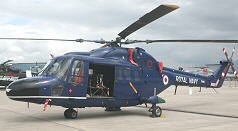
| Three Lynx | ||||||||
| Who were the Friends ? .......... What did they do ? |
|
The Friends were established in 1997 following re-organisation of an earlier membership scheme. They aimed to provide financial and other support for The Helicopter Museum, with opportunities for members to be actively involved. About 50% of subscriptions passed to The Museum with the remainder being used to purchase specific items for the Museum and to develop the Friends organisation.
|
|
Come to Weston-super-Mare and stay for a few days ! email us: hmfriends@lineone.net |